What Is Slugging, and When Does an Extra Occlusive Layer Make Sense?
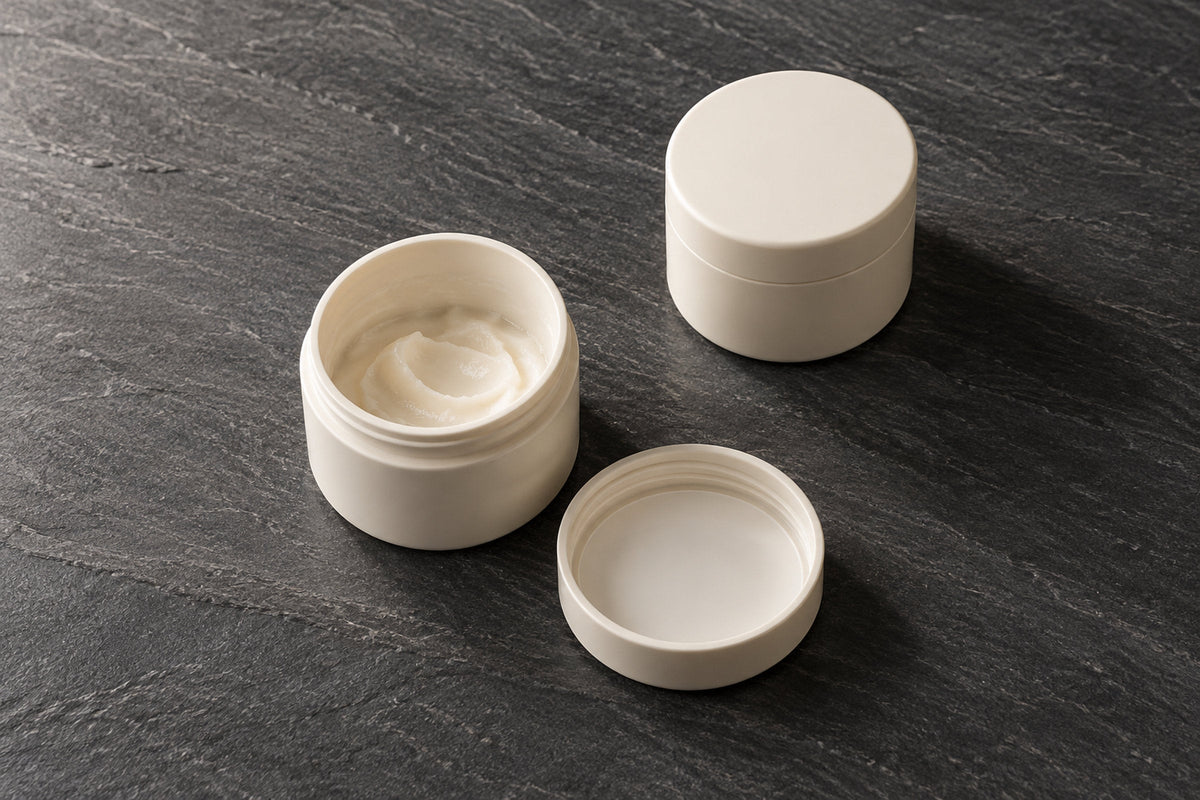
Slugging means applying petroleum jelly or a similar ointment as the final step of an evening skincare routine, to help skin retain moisture overnight,1 and it can help dry skin.2 It doesn't have to cover your whole face. A little over the one area that's still dry works too.1 Whether you need the extra layer at all depends on what your moisturizer already provides and what else you're using.
Start with the area that's still dry
Imagine you've washed your face and applied your usual moisturizer. Most of your skin feels comfortable, but one cheek still feels dry, and you're considering a little plain petroleum jelly over it before bed. The ointment would go over your moisturizer to help that cheek hold on to moisture, and you can apply it just there, without coating the rest of your face.1
Water continually leaves the skin, and petroleum jelly, also called petrolatum, helps slow it, a bit like plastic wrap over a bowl. That's why it's described as an occlusive.3
Your moisturizer may already be slowing water loss, too. Moisturizing products can both supply moisture and help prevent it from leaving, and creams and ointments generally help dry skin retain more water than lotions.4 The guide to humectants, emollients, and occlusives explains how the three kinds of moisturizing ingredient fit together. If your usual cream keeps both cheeks comfortable through the night, you can leave your routine as it is, because there's no dryness left for an extra layer to address.
Slugging describes how you're using a product. It doesn't make a facial oil, a cream or a multi-ingredient balm interchangeable with plain petroleum jelly, which is what's covered here. If you already use a lipid serum or balm, the routine guide explains its place in the moisturizing step.
When to skip it or ask first
If your face is acne-prone, skip petroleum-jelly slugging. The American Academy of Dermatology advises avoiding petroleum jelly on acne-prone faces because it may cause breakouts in some people.2
The products underneath matter too. Cleveland Clinic's slugging guidance advises avoiding retinoids and exfoliating acids, including alpha and beta hydroxy acids, beneath the petroleum-jelly layer because the combination can irritate skin.1 Moisturizing care can still be part of a treatment routine, though. For example, the leaflet for one adapalene acne gel allows moisturizer to help with dryness and irritation, while advising against products containing alpha hydroxy or glycolic acids.5
If the dry cheek is also where you apply a prescribed treatment, ask the prescriber or pharmacist about the combination before adding the ointment: "Can I put plain petroleum jelly over this treatment on my cheek, or would you recommend a different moisturizer?" Have the treatment name and strength handy.
If dryness persists despite moisturizing, or skin becomes painful, cracked, bleeding, or very irritated, seek a dermatologist's advice.4
How to decide whether to add the layer
- Identify the area that needs more care. Think about the dry cheek separately from skin that already feels comfortable. If your moisturizer keeps your skin comfortable, you may not need another layer.
- Check the products underneath. If you use a retinoid, exfoliating acid or prescribed treatment, check the combination first, with the prescriber or pharmacist for a prescribed treatment.
- If it suits your routine, use a small amount on the dry area. In a simple moisturizing routine, apply it after cleansing and moisturizing.1 The American Academy of Dermatology recommends applying petroleum jelly while skin is still damp.2 If you're using medication, follow its application instructions and the advice you've received about layering.
- Decide whether it's worth continuing. Notice whether the area feels less dry and whether you like the feel of the layer. A useful occasional step doesn't have to become a nightly commitment.
If one patch still feels dry after your moisturizer tonight, and nothing underneath rules it out, try a thin layer there and see how it feels in the morning.
Sources
- Cleveland Clinic. Slugging: Does This Skin Care Trend Work? April 18, 2024. Guidance from dermatologist Amy Kassouf, MD.
- American Academy of Dermatology. 5 ways to use petroleum jelly for skin care.
- Ghadially R, et al. Effects of petrolatum on stratum corneum structure and function. Journal of the American Academy of Dermatology, 1992.
- American Academy of Dermatology. How to pick the right moisturizer for your skin.
- DailyMed. DIFFERIN, adapalene gel 0.1%. Label updated December 7, 2022.