How Often Should You Exfoliate Your Face?
"Twice a week" sounds like a simple answer until you ask what happens on those two days. A scrub is one thing, and an acid toner or a peel used alongside other treatments is something else. The right frequency depends on the product you use, the rest of your routine and how your skin responds. So instead of picking a number, start with what you're already using and what you want it to do.
Count the exfoliation already in your routine
Before you judge how often you exfoliate, find out which products are actually exfoliating your skin. Scrubs and brushes are the obvious ones, since they take dead skin cells off the surface physically. Chemical exfoliants are easier to miss, because they work through ingredients such as hydroxy acids that encourage the surface to shed.1
Some turn up in products you might not consider exfoliants. Salicylic acid helps clear clogged pores and also exfoliates, so an acne cleanser or moisturizer with salicylic acid in it may be an exfoliating step too.3 It's a bit like counting the caffeine in your day and forgetting the tea. If you're only counting your weekly scrub, the cleanser is easy to overlook, and so is an exfoliating toner you use on other days.
To get a real count, put your products in front of you and note:
- Which ones are intended to exfoliate or treat clogged pores.
- How often you actually use each one.
- Whether you rinse it off or leave it on.
- Which days you combine it with other treatments.
Check the product's description, too, because alpha hydroxy acids (AHAs) are sometimes in a formula to adjust how acidic it is, not to exfoliate.2
Match the schedule to the product
An ingredient's name won't tell you how strongly a product exfoliates. With AHAs such as glycolic and lactic acid, how much the surface sheds depends on the type of acid and its concentration, the formula's pH (how acidic it is) and the other ingredients in it.2
So revisit your schedule when you switch products. If you're swapping a rinse-off wash for a leave-on treatment, compare their directions for amount, frequency and rinsing. The new product may call for a different schedule even when the acid has a familiar name.
Some salicylic-acid acne treatments are labeled for daily use, with directions to reduce use if bothersome dryness or peeling occurs. If you've been told twice a week, daily use can seem like a lot, but it isn't automatically excessive. Compare how you're using the product with its directions, and take your other treatments into account.6
The method matters too, and so does your skin. The American Academy of Dermatology (AAD) generally recommends using more aggressive exfoliation less often. Strong chemical or physical exfoliation can contribute to dark marks, particularly in darker skin tones, and exfoliation isn't suitable for everyone.1
If an AHA is part of your routine, plan for the sun as well. AHAs can increase sensitivity to sunlight, and the FDA advises sunscreen, protective clothing and limiting sun exposure during use and for a week afterward.2
Look for the result you wanted
Once your schedule matches your products, check whether it's doing what you wanted. What were you hoping exfoliation would help with: rough texture, clogged pores or something else?
Say you started because your skin felt rough. Does it feel smoother now, and are you happy with the change? If you're getting the result you wanted, your skin is comfortable and you're following the product's directions, there may be no reason to use it more often.
If you can't tell what the exfoliant is adding, write down what you hoped would change and what you've actually noticed. Include any other treatment working on the same concern, since it may be behind some of the change.
Reassess if your skin becomes irritated
If your skin starts flaking, find out why before you exfoliate again. Flaking can come with dry skin, or it can develop during treatment, so the exfoliant isn't automatically the cause.4, 1
Look at everything you're using, including retinol, prescription retinoids and other acne medications. Some of them can make skin more sensitive or cause peeling, and exfoliating on top of them can add to the irritation.1
Suppose you've added an exfoliating toner while using a prescribed retinoid, and now your skin is peeling. Tell your prescriber what changed, since your dermatologist can help adjust the prescribed treatment if needed.3
If an optional exfoliant seems to be making your skin worse, pause it. If a rash persists or keeps coming back, a dermatologist can investigate the cause. Bring a list of everything you use, including products you've used for a long time, and note when the rash began.5
In the meantime, wash gently and moisturize regularly, putting moisturizer on right after washing while your skin is still damp. If even moisturizer burns or stings, tell your dermatologist.4
Decide what to keep or change
Now use what you've noticed to choose your next step:
- Keep a routine that's working. If it's comfortable, follows the product's directions and gives you the result you wanted, you may not need to change anything.
- Take a closer look at a product whose benefit is unclear. Before adding sessions, check what it's meant to do and whether something else in your routine overlaps with it. If you still can't tell what it's adding, ask for advice.
- Deal with irritation first. Pause an optional exfoliant that seems to be making symptoms worse, and get help if problems persist or come back. Talk any prescription changes through with your prescriber.
Where Omnia fits
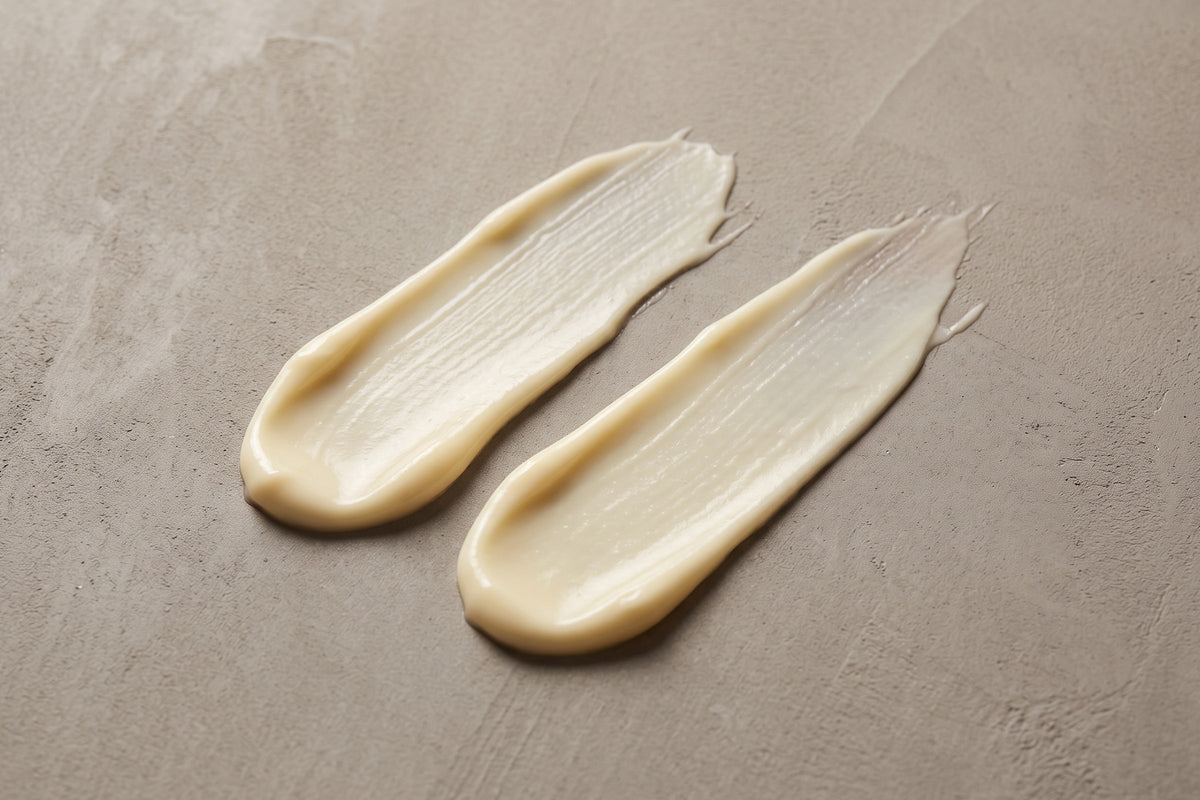
Omnia is designed to support the skin barrier and help dry, stressed skin hold on to moisture and regain comfort. Its lipid base includes Ceramide NP, part of the lipid family found in the skin's protective outer layer,7 and bisabolol was chosen for soothing care.8 The Field Notes article on barrier care explains the ingredient choices in more detail.
Whichever way you go, once your skin is comfortable, make one change at a time and see how it goes before making another. If you swap a product, add a scrub and exfoliate more often all at once, you won't know which change made the difference.
Sources
- American Academy of Dermatology. How to safely exfoliate at home. Updated February 6, 2026.
- U.S. Food and Drug Administration. Alpha Hydroxy Acids.
- American Academy of Dermatology. Acne: Diagnosis and treatment.
- American Academy of Dermatology. Dermatologists' top tips for relieving dry skin. Updated January 2, 2026.
- American Academy of Dermatology. Contact dermatitis: Diagnosis and treatment. Updated December 14, 2020.
- DailyMed. Salicylic-acid acne treatment: Drug Facts. Revised December 2023. Product-specific directions, not a general exfoliation schedule.
- Nădăban A, et al. Effect of sphingosine and phytosphingosine ceramide ratio on lipid arrangement and barrier function in skin lipid models. Journal of Lipid Research, 2023.
- Li G, et al. (-)-α-Bisabolol Alleviates Atopic Dermatitis by Inhibiting MAPK and NF-κB Signaling in Mast Cell. Molecules, 2022. Mouse and cell research.