Squalane: Helping Dry Skin Hold On to Water
Your skin already makes something very close to squalane. Squalene, one letter different, is part of sebum, the oil your skin releases onto its surface. Squalane is a more stable form of it that skincare uses to soften skin and help it hold moisture.1, 2, 3
In a small study in people, squalane helped dry skin hold on to water. It also stands up to oxygen better than your skin's own squalene, and it can come from sugarcane instead of sharks. Early lab work even hints that it may help skin cells cope with UVA light.
How squalane helps dry skin
Squalane is an emollient, an ingredient that softens and smooths skin. It stays liquid, and you'll find it in creams, oils and serums.2, 3
For dry skin, squalane can do more than soften. In a small study in people, skin held water better after squalane was applied.3 The same paper also tracked symptoms, without an untreated group to compare against. Dryness, flaking and tightness eased, though some participants had kept up other treatment and a few got worse.3 If your skin feels tight and flaky, the water-holding result is the one to notice.
Why squalane's stability matters
Squalane stands up to oxygen better than squalene does. Squalene reacts readily with oxygen, a process called oxidation, much as cooking oil turns rancid in an open bottle. Adding hydrogen to squalene changes its structure, and the squalane that results resists oxidation during storage and use.2, 6
In a lab comparison of fats and oils from skin's surface, squalene oxidized about ten times faster than the others when exposed to a reactive form of oxygen.10 That's a big gap for an oil your skin makes itself. Once oxidized, it caused problems on animal skin. On rabbit ears, fresh squalene barely clogged pores, but oxidized squalene clogged them readily.9 On guinea pig skin, oxidized squalene made the skin darker.10 The animal results show how much squalene changes once it oxidizes, and oxidation is the reaction squalane resists.
Early signs of protection from UVA light
In lab tests on skin cells, squalane seems to help them cope with UVA, a type of ultraviolet light. Researchers treated human skin cells with squalane and then exposed them to UVA. The treated cells showed fewer signs of inflammation and of oxidative stress, which happens when reactive molecules overwhelm a cell's defenses.4, 5
Where squalane comes from
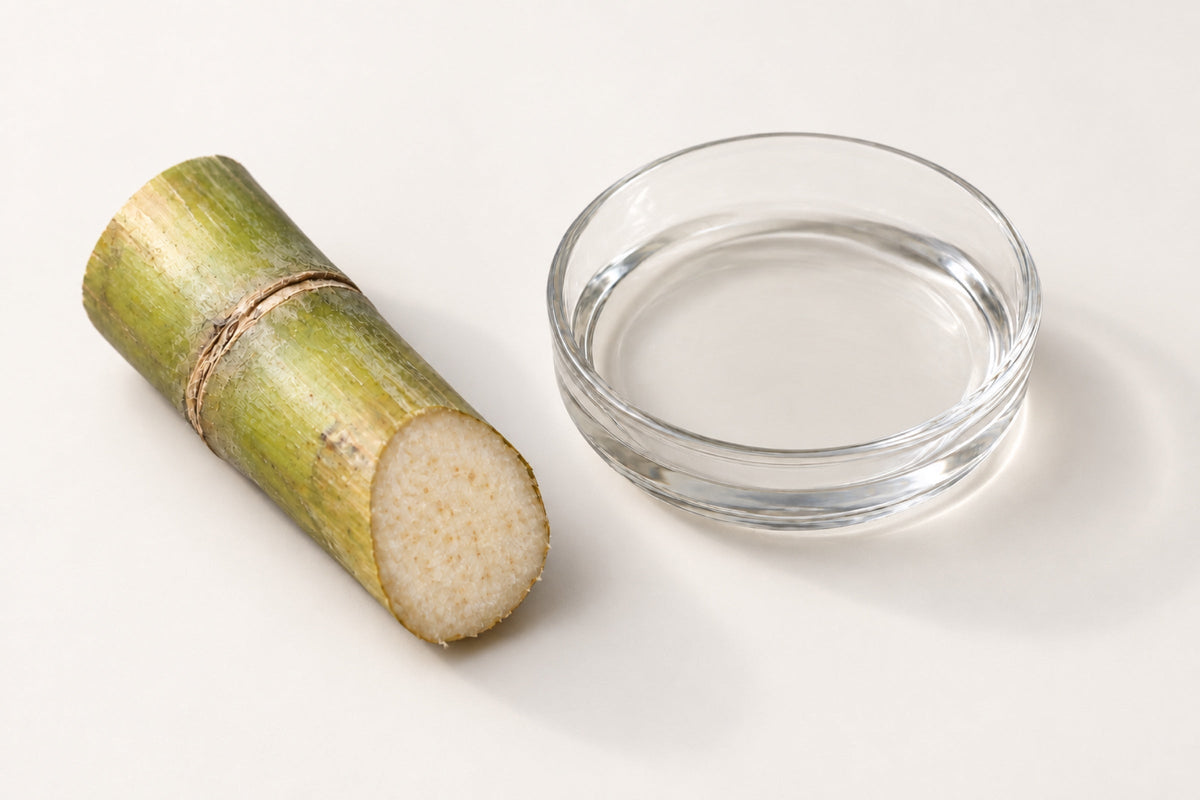
Squalane can come from plants or animals, including olives, sugarcane and shark liver oil.2, 6 Olive and shark squalane both begin as squalene, recovered from olive-oil processing or extracted from shark liver oil, and hydrogenating that squalene turns it into squalane. Sugarcane takes a different route, with yeast fermenting the sugar into a starting material that's processed further into squalane.
Choosing olive or sugarcane squalane avoids shark liver oil, which matters because fishing for liver oil and meat threatens deepwater sharks and rays. Many of them grow and reproduce slowly, so once their populations are depleted, they're hard to restore.7
Sugarcane is a renewable, animal-free source. Researchers at the squalane maker Amyris reported consistent composition, odor and color across batches made with their sugarcane process.6
Why squalane is worth a look
Squalane has a lot going for it. It softens skin, and in a small study it helped dry skin hold water. It stands up to oxygen better than the squalene your skin makes, and early work in skin cells hints that it may help them cope with UVA light. And it can come from sugarcane rather than sharks.
Squalane in Omnia
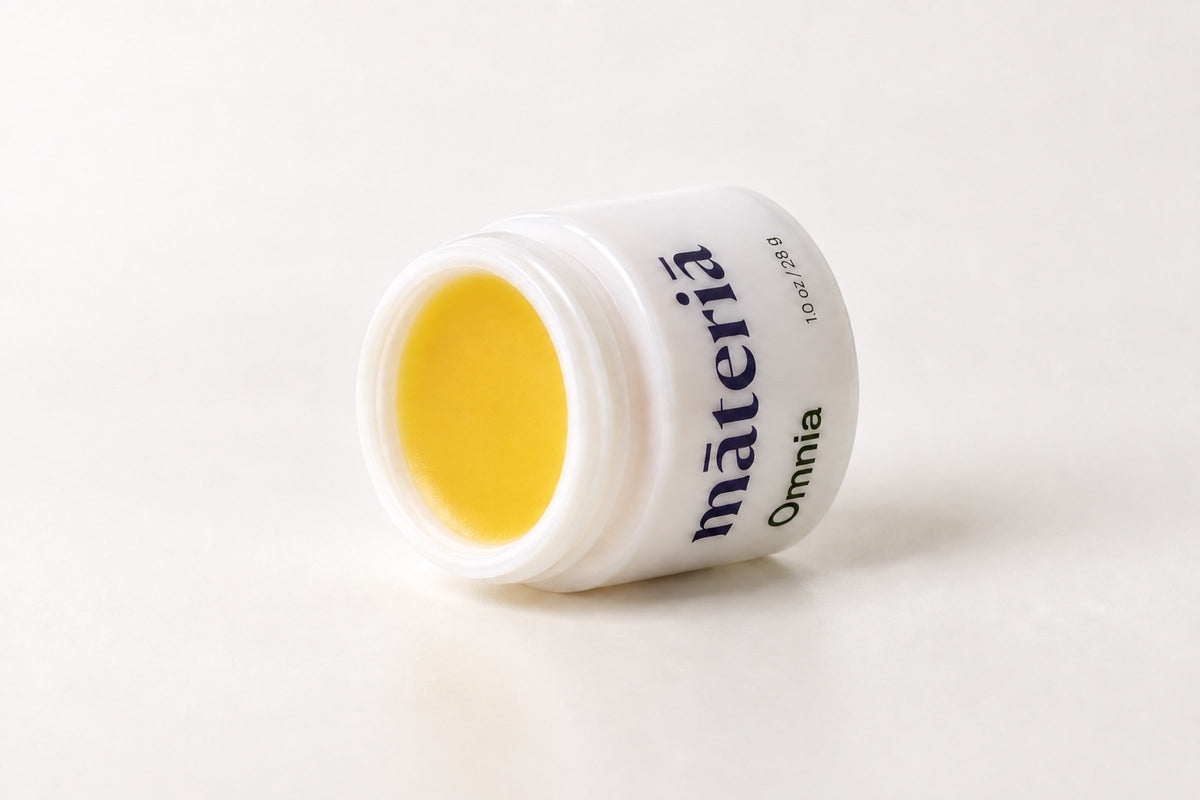
Omnia, a waterless solid serum, uses sugarcane-derived squalane as a main emollient. The squalane was chosen because it softens skin, helps it hold moisture and is generally well tolerated.3, 8 Its resistance to oxidation and its animal-free origin were part of the choice too.
Sources
- Picardo M, et al. Sebaceous gland lipids. Dermato-Endocrinology, 2009.
- Pandarus V, et al. Solvent-free chemoselective hydrogenation of squalene to squalane. ACS Omega, 2017.
- Tanii T, et al. Clinical Evaluations of Squalane in Patients with Xerotic Dermatoses and the Results of Patch Test of Squalane and its Moisturizing Effects. Skin Research, 1991.
- Wolosik K, et al. The Mechanism of Protective Action of Plant-Derived Squalane (2,6,10,15,19,23-Hexamethyltetracosane) Against UVA Radiation-Induced Apoptosis in Human Dermal Fibroblasts. Antioxidants, 2025. Free full text.
- Wolosik K, et al. Squalane as a Promising Agent Protecting UV-Induced Inhibition of Collagen Biosynthesis and Wound Healing in Human Dermal Fibroblast. Molecules, 2025. Free full text.
- McPhee D, et al. Deriving Renewable Squalane from Sugarcane. Technical article, Cosmetics & Toiletries. June 17, 2014. Authors affiliated with manufacturer Amyris.
- Finucci B, et al. Fishing for oil and meat drives irreversible defaunation of deepwater sharks and rays. Science, 2024. Free full text.
- Fiume M, et al. Squalane and Squalene. International Journal of Toxicology, 2023.
- Motoyoshi K. Enhanced comedo formation in rabbit ear skin by squalene and oleic acid peroxides. Br J Dermatol, 1983.
- Ryu A, et al. Squalene as a target molecule in skin hyperpigmentation caused by singlet oxygen. Biol Pharm Bull, 2009. Three authors employed by cosmetics company KOSÉ.